
 English







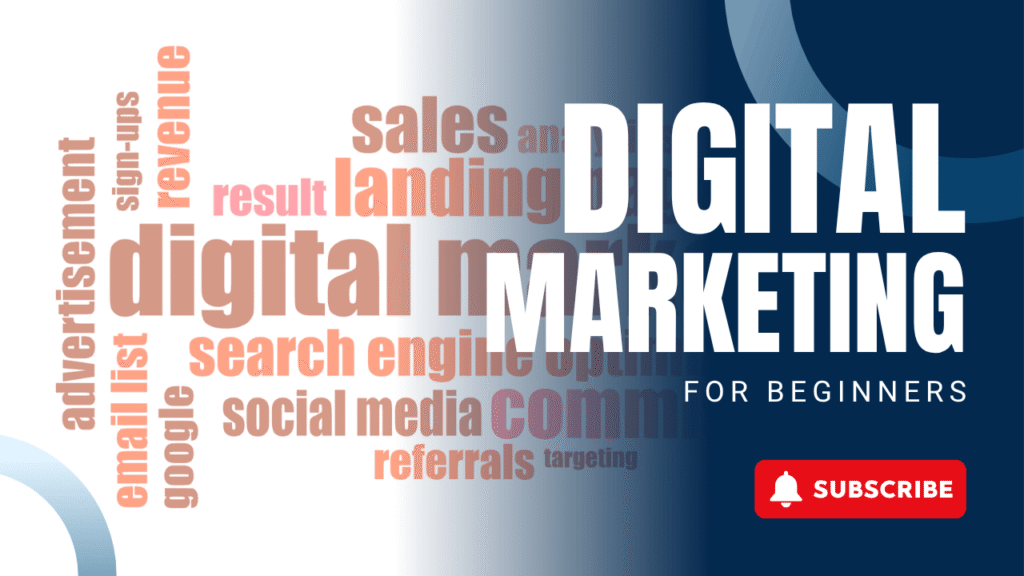



Basics of Digital Marketing for Beginners

Digital marketing has become an essential skill for students, job seekers, business owners, freelancers, and anyone who wants to grow online. The goal of digital marketing is simple: promote products or services through online channels and bring the right audience to your business.
This beginner-friendly guide explains the fundamentals of digital marketing in clear, simple English. You will learn the core concepts, channels, and strategies used by successful digital marketers today.
What Is Digital Marketing?
Digital marketing refers to all marketing activities done using the internet or digital devices. It includes promoting content, running ads, analyzing user behaviour, optimizing websites, and building online relationships with customers.
Digital marketing uses multiple channels such as search engines, social media platforms, emails, websites, and online ads.
Why Digital Marketing Matters Today
Digital marketing is important because:
- People spend most of their time online
- Businesses can target customers more accurately
- Marketing performance can be measured with data
- It is more cost-effective than traditional advertising
- Small businesses can compete with big brands
Digital marketing gives businesses the power to reach the right people at the right time with the right message.
Core Components of Digital Marketing
Below are the key areas every beginner must understand.
1. Search Engine Optimization (SEO)
SEO helps your website appear higher in Google search results. The goal is to increase organic traffic.
How SEO Works
SEO focuses on three major areas:
a) On-Page SEO
Optimizing what is inside your website:
- Title tags
- Meta descriptions
- Content quality
- Keywords
- Internal links
b) Off-Page SEO
Building authority outside your website:
- Backlinks
- Brand mentions
- Guest posts
c) Technical SEO
Improving website performance:
- Site speed
- Mobile-friendly design
- Structured data
- Indexing and crawling
SEO is a long-term strategy but builds strong, continuous traffic.
2. Paid Ads (Google Ads & Facebook Ads)
Paid advertising is one of the fastest ways to reach a large audience.
Google Ads
Google Ads show your website to people searching for specific keywords.
Types:
- Search Ads
- Display Ads
- Video Ads
- Shopping Ads
Facebook (Meta) Ads
Facebook Ads target people based on interest, behaviour, and demographics.
Types:
- Image Ads
- Video Ads
- Carousel Ads
- Lead Generation Ads
Benefits of Paid Ads
- Quick results
- Highly targeted audience
- Budget control
- Detailed performance tracking
Paid ads are powerful for lead generation, sales, and brand awareness.
3. Email Marketing
Email marketing is one of the most effective digital marketing channels for customer retention.
Why Email Marketing Works
- Direct communication with customers
- High ROI
- Automated sequences
- Personalization
Types of Email Campaigns
- Welcome emails
- Newsletters
- Promotional offers
- Abandoned cart emails
- Re-engagement emails
Email marketing is essential for nurturing leads and improving customer loyalty.
4. Analytics in Digital Marketing
Analytics helps you understand what works and what doesn’t.
Key Tools
- Google Analytics
- Google Search Console
- Facebook Ads Manager Insights
- Heatmaps (like Hotjar)
What You Can Track
- Website traffic
- User behaviour
- Conversion rate
- Click-through rate
- Sources of traffic
Analytics allows marketers to make decisions based on real data instead of guesswork.
5. Content Marketing
Content marketing focuses on creating useful content that attracts and educates your audience.
Types of Content
- Blog posts
- Videos
- Social media posts
- Infographics
- E-books
- Case studies
Why Content Marketing Is Important
- Builds trust
- Improves SEO
- Supports social media growth
- Helps in lead generation
- Establishes brand authority
Quality content is the foundation of any online marketing strategy.
How All Digital Marketing Channels Work Together
A successful digital marketing strategy uses multiple channels in combination:
- SEO brings organic visitors
- Content marketing educates and engages them
- Paid ads drive instant traffic
- Email marketing nurtures leads
- Analytics measures performance
When these elements work together, businesses achieve faster growth and better online visibility.
Beginner-Friendly Digital Marketing Roadmap
Here’s a simple learning path for newcomers:
- Understand SEO basics
- Learn keyword research
- Create and optimize content
- Explore Google Ads & Facebook Ads
- Learn Google Analytics
- Build email marketing strategies
- Practice using live tools
- Keep updating skills regularly
Digital marketing is not a one-time activity; it requires constant learning.
Conclusion
Digital marketing is a powerful tool for beginners who want to grow their career or business online. By understanding SEO, paid ads, email marketing, analytics, and content marketing, anyone can build a strong digital presence. Start with the basics, practice consistently, and use data to improve your results.
If you need blogs for other categories like paid ads, analytics, email marketing, or content marketing, just share the title—I will create them with the same SEO structure.